HypothermiaHypothermia, which is caused by rapid loss of body heat, is the most dangerous illness of backcountry travel. It can strike even when temperatures are well above freezing, under unexpected conditions. Drastic lowering of the inner body temperature causes rapid, progressive mental and physical collapse.
Victims often don't recognize the symptoms and don't suspect hypothermia under mild conditions. All backcountry travelers should be aware and alert to the symptoms of hypothermia and be able to act to ensure recovery. Symptoms include fits of shivering, vague and slurred speech, memory lapses, fumbling hands, a lurching walk, drowsiness and exhaustion, and apparent unconcern about physical discomfort.
Hypothermia victims must be removed from wind and wetness. Remove all wet clothing articles and place the person (stripped in a dry sleeping bah with another person (also stripped) to restore body heat. If the victim is conscious, he or she should be given warm drinks but not coffee or other stimulants. Victims of hypothermia should be carried out of the backcountry in windproof and waterproof coverings.
To prevent hypothermia, choose clothing and equipment carefully. Rainclothes should protect against wind-driven rain and cover all body parts. Wool and some synthetic fabrics will retain heat when wet; cotton does not retain heat when wet and can contribute to body chill.
Altitude Sickness/HyperventilationAltitude sickness occurs at high altitudes, where the air contains less oxygen than at sea level. Victims of altitude sickness should stop and rest, breathe deeply and slowly return to lower elevation. The chance of being affected by altitude sickness can be reduced by spending a day at altitude to become acclimated before performing any strenuous activity. All persons should be aware of the need to drink additional fluids at high elevations, to avoid becoming dehydrated.
Hyperventilation is caused by breathing too rapidly and a decrease of the carbon dioxide level in the blood. This causes lightheadedness and a cold feeling. The victim should be calmed and should breathe into a bag, hat or glove until normal breathing is restored.
Exhaustion may occur when a member of a group is trying too hard but is embarrassed to ask the group to move more slowly. A good principle of back country travel is to move slowly, rest often, and drink and snack frequently to restore energy.
EmergenciesIf you become lost, stay calm and don't panic. Try to figure out where you are: use your head and not your legs! Carry a police whistle and small mirror for emergency use. Three of anything (shouts, whistle blasts, flashes of reflected light from a mirror) are a sign of distress.
Rodent BurrowsAvoid setting up camp near rodent burrows. Fleas from rodents, if they bite you, can transmit the bubonic plague.
Pack StockWhen encountering travelers with horses or pack stock, move off the trail on the uphill side and allow them to pass. Horses are easily frightened and have the right-of-way on trails.
Campfire SafetyIf you plan to use a portable stove or build a campfire, you must either obtain a wilderness permit for the wilderness area or in areas where wilderness permits are not required, obtain a California Campfire Permit. Some areas restrict use of campfires and portable stoves during periods of high fire danger. Campfires are never allowed in Desolation Wilderness.
In areas where campfires are allowed, use the following guidelines: use only dead and down wood, never breaking branches from standing trees, even if they appear dead. By using only a small amount of wood, campers who come after you will be able to enjoy a campfire, too. Select a level spot away from overhanging trees, bushes or dry grass. Avoid the base of steep hills, as fire travels uphill quickly. Clear a circle 10 feet across down to bare dirt. Hollow out a fire hole two feet across and five or six inches deep. Pile the soil around the edge of the fire hole. Keep the fire small and do not start fires in windy weather.
Put your fire out at least ½ hour before you start to break camp. Let the fire die down, then pour water over the wood and ashes and spread soil over them. Mix the soil, water and ashes until the fire and any embers are completely out.
No Trace CampingCamp on mineral soil, never in meadows or soft grassy areas which compact easily. Locate your campsite at least 100 feet from any water or trail. Pick a spot where you won't have to clear vegetation or level a tent site. Do not dig drainage ditches around tents.
Carry out all trash. If you find trash left behind by other visitors, try to pack it out too! Buried trash will be unearthed by animals. Keeping trails and campsites litter-free preserves the wilderness for everyone.
Before leaving camp, naturalize the area. Scatter any rocks and wood you used and scout the area to be sure you're leaving nothing behind. Try to make the site look as if no one had been there. Your efforts will be appreciated by everyone and will set a good example for others.
The Backcountry Tips information contained within this page courtesy of the US Forest Service. If you have questions, contact the Forest Service at:
Lake Tahoe Basin Management Unit
870 Emerald Bay Road, Suite #1
South Lake Tahoe, CA 96150
(530) 573-2600
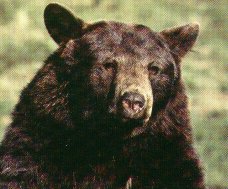
Living With California Black Bears
California has a large black bear population, estimated to be between 16,000 and 24,000 bears. As more people live and recreate in bear habitat and more bears seek food in human settlements, conflicts between humans and bears will become increasingly common.
Each year in California, black bears damage hundreds of thousands of dollars worth of personal property. Although black bears rarely attack people, these strong predators are potentially dangerous and are capable of seriously injuring or even killing humans.
Often, these incidents are the result of human behavior. We can lessen the chances of conflict by following several guidelines when we are in bear habitat.
Never Feed a Bear
- People should never feed bears, even unintentionally. Once bears obtain food from people, they associate all humans with food. Without their natural fear of people, bears may become increasingly aggressive.
Remove or Contain All Bear Attractants
- THE BEST WAY TO AVOID CONFLICT WITH BEARS IS TO PREVENT IT
- Bear attractants include pet food and anything smelly or edible, especially garbage. Bears are also attracted to bee hives, orchards and gardens. Occasionally, livestock are killed and eaten.
- Be sure to keep barbecue grills clean, pick up fallen tree fruit, and put away pet food and bird feeders at night. Garbage should be secured to prevent a bear from easily obtaining it. Garbage cans should not be left out for extended periods prior to collection. For these strategies to be most effective, it is important for everyone visiting or living in bear habitat to observe these precautions. Encourage your neighbors to participate.
Never Approach a Bear
- Most black bears try to avoid confrontation when given a chance. If you encounter a bear, make sure to give it enough space to escape. Most human injuries associated with black bears occur when a bear is approached.
Do Not Run from a Bear
- Running away from a black bear may stimulate its instinct to chase. You cannot outrun a bear. Instead, stand and face the animal. Make eye contact without staring. If you have small children with you, pick them up so that they do not run or panic. Give the bear room so that it can avoid you.
If a Black Bear Approaches
- Try to demonstrate to the bear that you may be a danger to it. Make yourself appear larger, stand up, raise your arms and open your jacket. Yell at the bear, bang pots and pans or whatever objects you may have with you, and create a general commotion.
If a Black Bear Attacks
- Black bear behavior is quite variable. Research indicates that bear attacks have been avoided or injuries reduced when the victims fought back using any means available. Throwing rocks and striking the bear with branches or camping equipment have been shown to be effective.
Avoid Attracting Bears While Camping, Hiking or Backpacking
Keep a Clean Camp
- Black bears are far more likely to visit your camp if there are attractants, which include uncleaned cooking utensils, garbage and even the clothes you cooked in. Clean up your camp as soon as you are finished eating. If you want to be extra cautious, cook food and clean your dishes well away from where you plan to sleep.
Dispose of Your Garbage Properly
- Use bear-proof garbage cans whenever possible or store your garbage in a secure location with your food. Do not bury or burn your excess food because bears will still be attracted to the residual smell. Garbage should be packed out of your camp with you if no trash receptacles are available.
Store Food and Toiletries Safely
- Food should be stored in your vehicle's trunk in as airtight a manner as possible. If your vehicle does not have a trunk, conceal food inside your vehicle, being sure to disguise the food containers' shapes.
- If a vehicle or other suitable storage area is not available, food should be suspended in a tree at least 10 feet above the ground, at least 4 feet from the trunk and on a branch less than 4 inches in diameter. Food should be stored well away from the area in which you sleep. The scent of toiletries may also attract bears and therefore these items should be secured as well.
- Bear-resistant containers, which can be effective in deterring bears, can be purchased from outdoor stores.
Keep Children Safe
- Keep a close watch on children whenever they play or hike outdoors. Teach your children what to do if they encounter a bear.
Report Threats and Attacks Immediately
- If a bear behaves aggressively or attacks people, contact the nearest office of the California Department of Fish and Game during regular business hours: Monday through Friday, 8:00am to 5:00pm. If the encounter or attack occurs after business hours, call the local police or county sheriff's office and ask to be put in contact with the California Department of Fish and Game. The Department will assess the threat to public safety and take appropriate action.
Information on Black Bears courtesy of the California Department of Fish & Game Offices
Northern California
(530) 225-2300
San Joaquin Valley/Southern Sierra
(209) 222-3761
Sacramento Valley/Central Sierra
(916) 358-2900
Southern California
(310) 590-5132
Central Coast
(707) 944-5500
Eastern Sierra
(619) 872-1172
 Menu
Menu